
GCSE chemistry practicals
Chemistry practicals reward careful measuring and clear reasons for each step.
The kinds of experiment
Making a pure, dry salt from an acid and an insoluble base, finding how much acid neutralises an alkali, splitting solutions with electricity, measuring temperature changes in reactions, timing how fast a reaction goes, separating inks by paper chromatography, identifying ions with simple tests, and purifying water.
| Experiment | What it shows |
|---|---|
| Making a salt | A pure, dry product |
| Titration | How much acid neutralises an alkali |
| Electrolysis | What forms at each electrode |
| Temperature change | Exothermic or endothermic |
| Rates | How fast a reaction goes |
| Chromatography | Rf values |
| Ion tests | Which ions are there |
The skills behind them
Read a burette and a thermometer to the right precision, calculate a mean rate, work out an Rf value, and explain how a change to the method would change the result.
Rates of reaction simulationChange the temperature and watch the ratePractise the calculations
Molar mass calculatorMr from any formula, with the working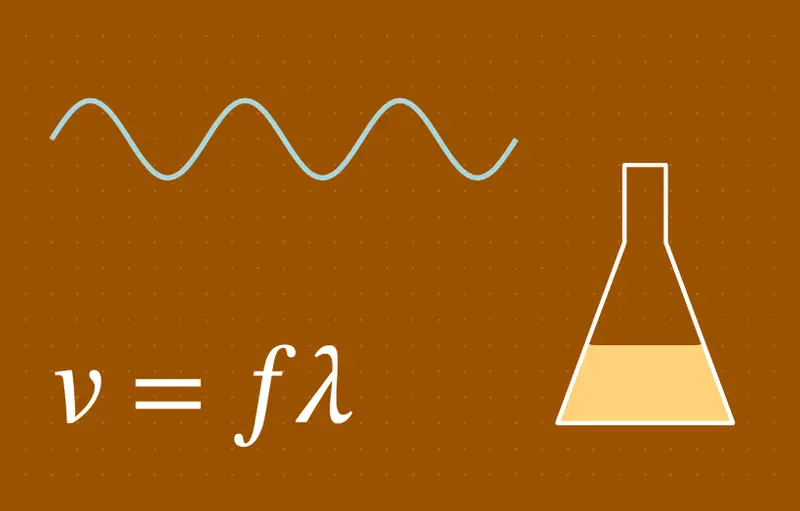 Printable practical method cardsIn the Shop
Questions
What is the most common practical mistake in exam answers?
Being vague. Name the equipment, give the quantity and say what you would measure, for example "measure 25 cm³ of acid with a measuring cylinder".
Related
Helps with GCSE biology, chemistry, physics and combined science (AQA, Pearson Edexcel and OCR). AQA, Pearson Edexcel and OCR are trade marks of their owners. Brainlag is independent and is not affiliated with or endorsed by any exam board.