
Brainlag Music
Music education, from your first grade to university level.
Advanced Music
University-level, for aspiring composers and producers
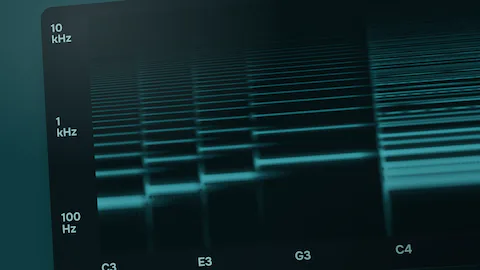 Technology and productionSound Design and SynthesisAdvanced
 Technology and productionRecording Studio PracticeAdvanced
How it works
- Short lessonsA few minutes each, with music to read and to hear.
- Marked practiceMost answers are marked straight away, and a wrong one shows you why. Longer written answers you mark yourself, with the mark scheme beside them.
- Tests and mock papersA timed test for each topic and a mock paper for the grade.
Trainers and tools
What's in Ear TrainingThe first level of each trainer is free.
- IntervalsHear two notes and name the gap between them.
- ChordsHear a chord and name it.
- ScalesHear a scale or mode and name it.
- RhythmListen, then tap the rhythm back in time.
- Note readingName notes on every clef against the clock, or sing a melody.
- DictationListen closely and write down the rhythm, melody or cadence you hear.
- MetronomeSteady clicks from 20 to 300 BPM, tap tempo, accents and a speed trainer.
Printables and resources
- Manuscript paperTwelve staves to a page, for writing music by hand.
- Piano staff paperTreble and bass staves joined, for piano music.
- Guitar tab paperSix-line tab with a stave above.
More tools
- Theory and UCAS pointsWhich grades count, and how much.
- Tempo to pictureFit a tempo to a film cue.
- Pitch-class setsPrime form, Forte number, vector.
Piano samples: Salamander Grand Piano V3 by Alexander Holm, licensed CC BY 3.0.
ABRSM, Trinity College London and RSL are trade marks of their owners. Brainlag is independent and is not affiliated with or endorsed by any exam board. Every question is original.